
A perfectly fitted suit does something an expensive label alone cannot do. It improves your proportions, sharpens your posture and creates an immediate impression of confidence. If you have ever wondered how should a suit fit, the answer goes far beyond whether you can button the jacket comfortably.
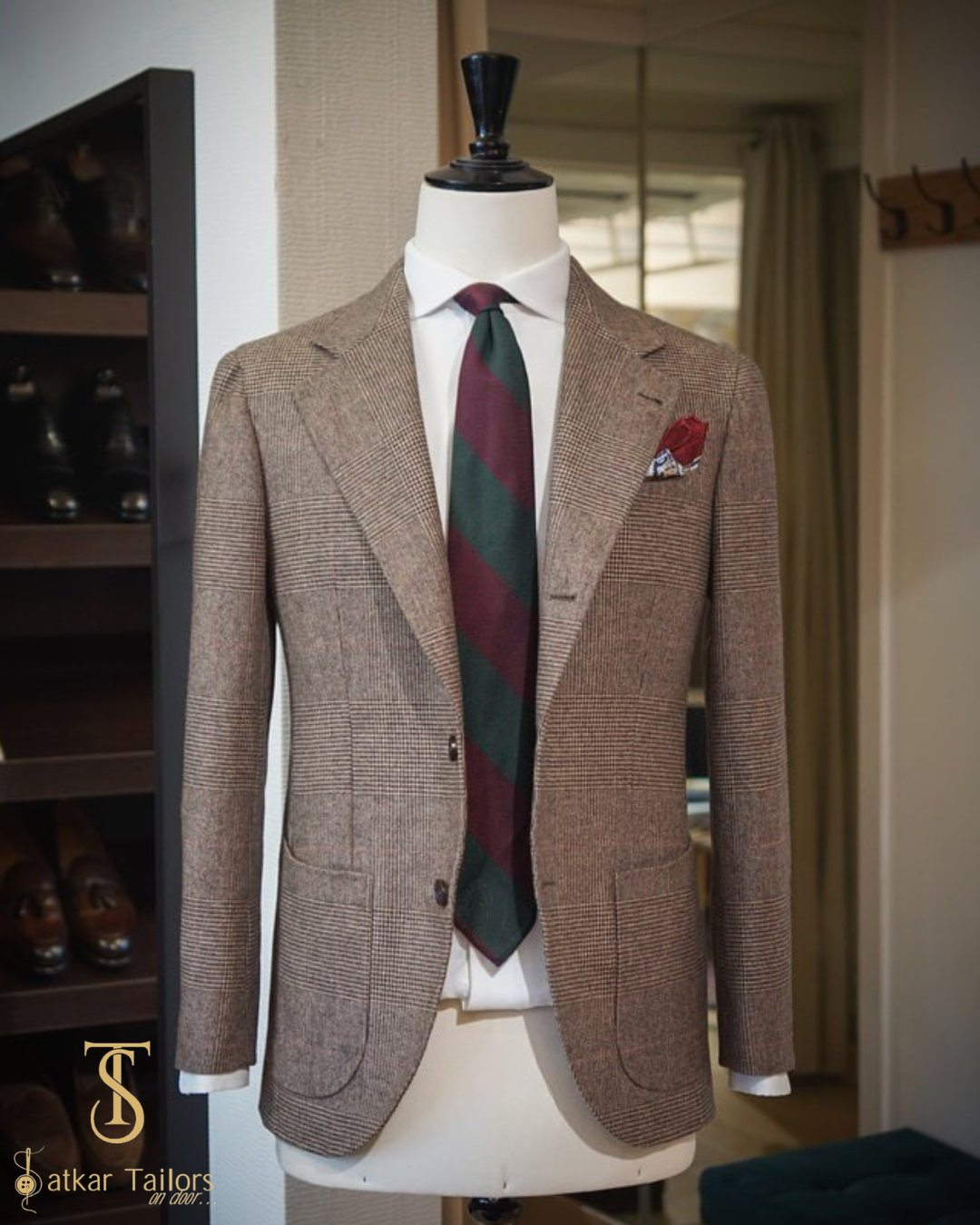
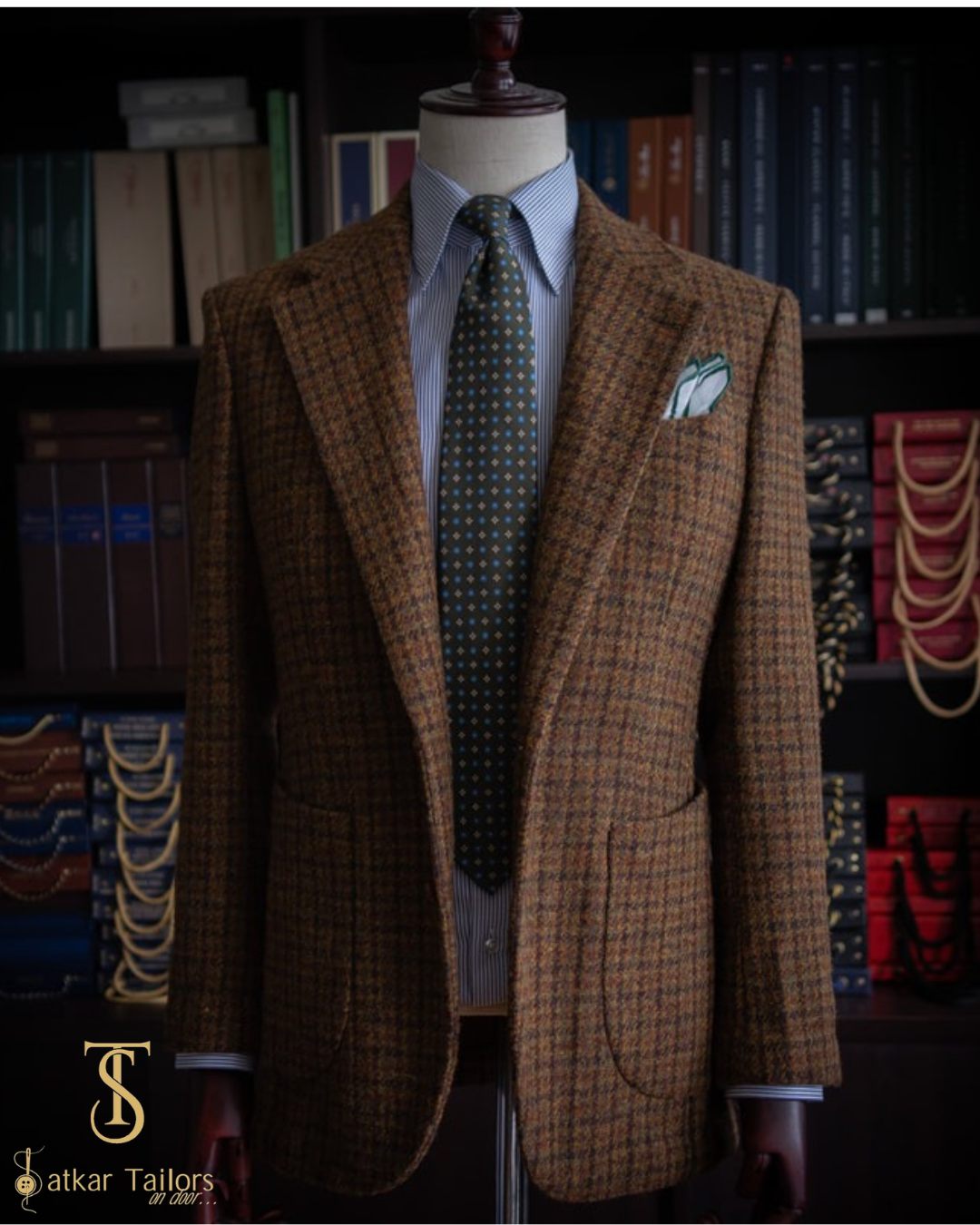
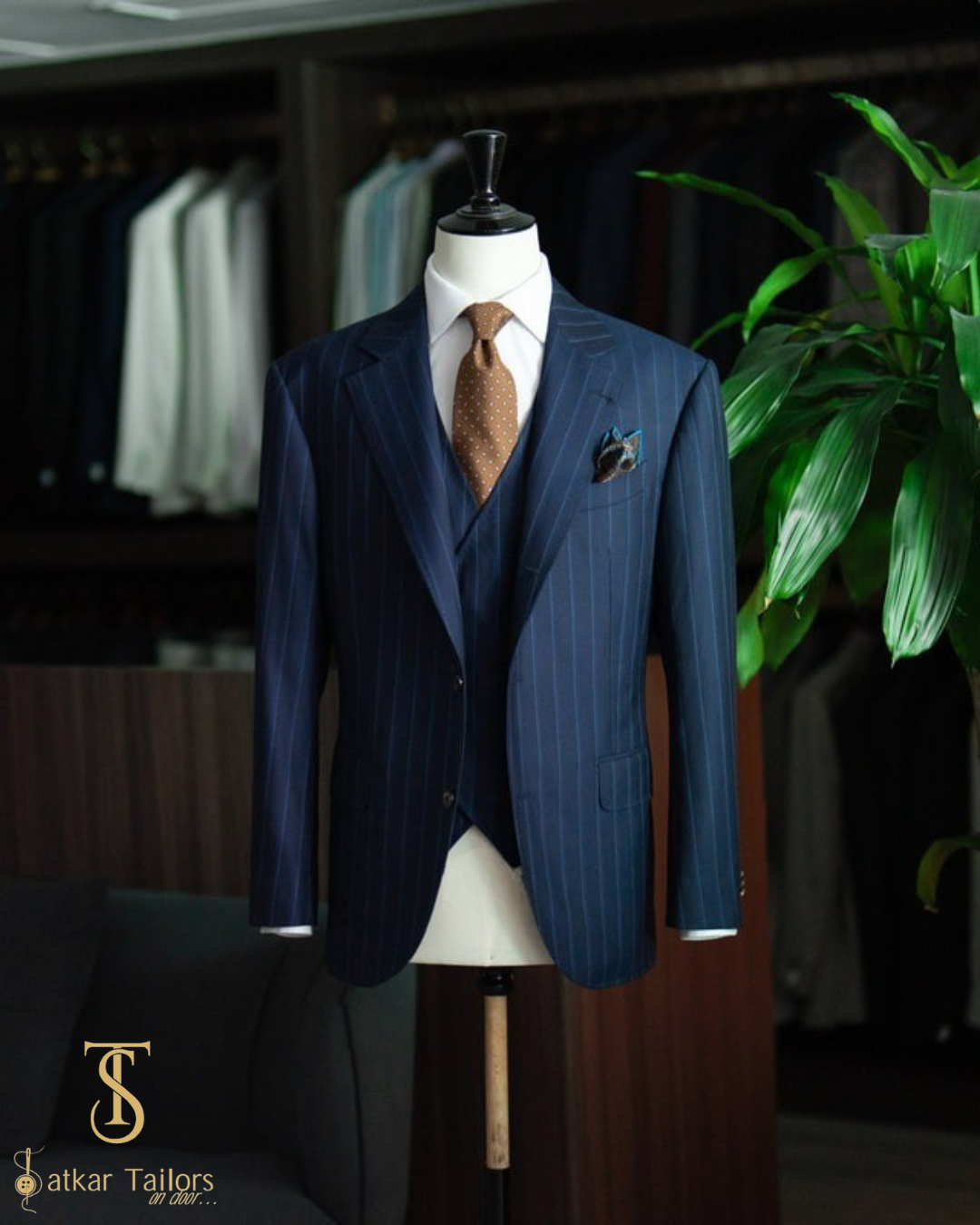
A properly fitted suit should follow the natural architecture of your body without appearing tight, oversized or restrictive. The shoulders should sit cleanly, the jacket should contour the torso, the sleeves should finish at the correct point, and the trousers should create an uninterrupted line from waist to shoe.
For CEOs, founders, entrepreneurs, senior professionals and grooms, these details matter. In a boardroom, at an investor meeting or during a wedding, people may not understand exactly why one suit looks better than another, but they recognise the difference immediately.
At Satkar Tailors, fit is approached as a combination of measurement, posture, proportion, pattern and craftsmanship.
Email: satkartailorsondoor@gmail.com
Website: https://satkartailorsondoor.com/
Phone: +91 8097157470
Address : https://share.google/bTDw94odeJOvPTaHA
The Psychology of a Perfectly Fitted Suit
Your suit communicates before you speak.
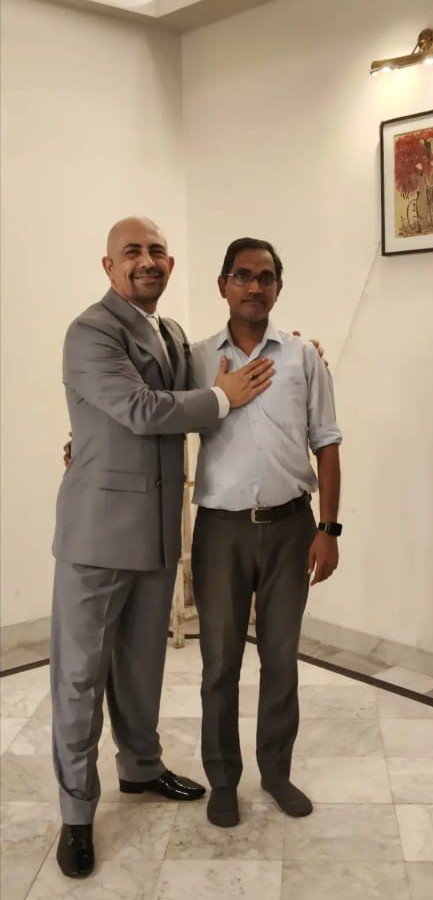
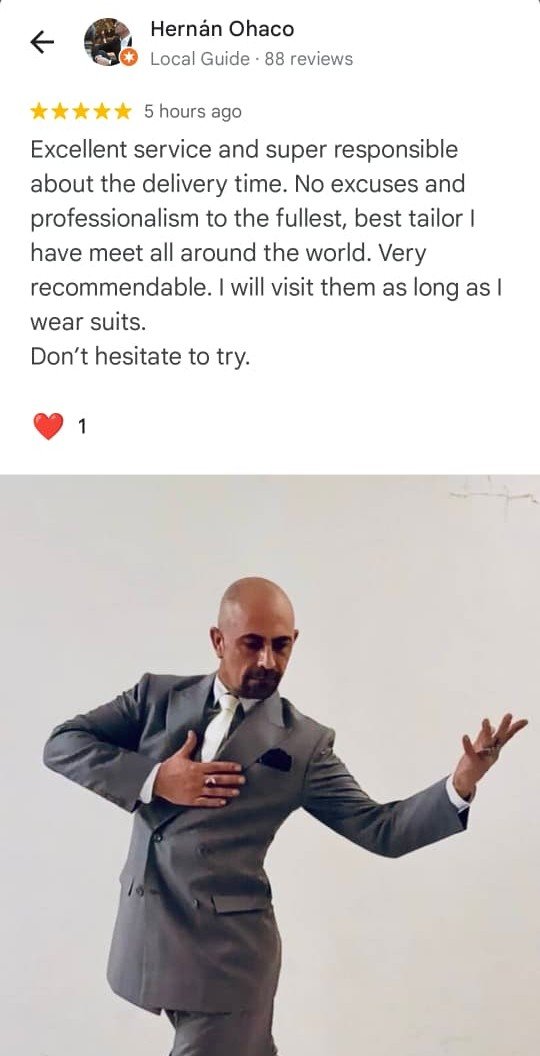
When a jacket follows the shoulders naturally, the waist is controlled and the trousers fall cleanly, the overall impression is one of discipline and refinement. When the same suit pulls across the chest, collapses around the shoulders or gathers excessively over the shoes, even premium fabric can appear ordinary.
This is why understanding how should a suit fit is particularly important for men whose appearance forms part of their professional identity.
A good fit should communicate:
- Confidence
- Authority
- Proportion
- Attention to detail
- Comfort
- Personal style
The objective is not to make every suit extremely slim. It is to create balance around the individual wearing it.
How Should a Suit Fit? Start With the Shoulders
If there is one area of a suit jacket you should get right from the beginning, it is the shoulders.
The jacket’s shoulder should finish close to where your natural shoulder ends. The sleeve head should then descend cleanly without obvious dents, bulges or excessive overhang.
A shoulder that extends significantly beyond your body can make the jacket look oversized. One that is too narrow can create pulling and distort the upper sleeve.
Shoulder alterations can also be among the more complicated changes to make after a jacket has been constructed. This is why experienced tailoring begins with correct shoulder balance rather than hoping alterations will solve everything later.
Look at Both Shoulders, Not Just Their Width
Human bodies are rarely perfectly symmetrical.
One shoulder may sit slightly lower than the other. Posture, occupation and natural anatomy can all influence how a jacket hangs.
True custom tailoring accounts for these differences.
A bespoke suit from Satkar Tailors can therefore be developed around the wearer’s actual posture rather than assuming both sides of the body are identical.
How Should the Suit Jacket Collar Fit?
The jacket collar should sit cleanly against the collar of your shirt.
There should not be a large visible gap between your jacket and shirt collar when standing naturally. This problem is commonly called collar gap.
At the opposite extreme, excessive fabric immediately beneath the collar can create horizontal folds or bunching.
These issues can result from several factors, including posture, jacket balance and pattern.
A clean collar may appear like a small detail, but it has a significant effect because it sits close to the wearer’s face and is easily visible from behind.
How Should a Suit Fit Across the Chest?
A well-fitted jacket should provide enough room across the chest to move naturally while maintaining a clean silhouette.
It should not feel like compression clothing.
When the jacket is buttoned, excessive pulling around the fastening point can create visible horizontal tension and distort the lapels. Too much excess room, however, can make the torso appear shapeless.
The ideal chest provides controlled structure.
For bespoke tailoring, the chest can also be shaped according to the desired aesthetic. Some clients prefer a softer, more natural silhouette, while others appreciate stronger architectural definition.
The correct choice depends on the wearer’s body, personal style and intended use.
How Should a Suit Jacket Fit Around the Waist?
Waist suppression is one of the elements that gives a tailored jacket its masculine shape.
The jacket should gently narrow through the waist before flowing naturally over the hips.
Too little suppression can make the jacket appear boxy.
Too much can produce pulling around the button and exaggerated creasing through the sides.
This is an important distinction because “slim fit” and “good fit” are not synonyms.
A larger gentleman can look exceptionally elegant in a properly proportioned suit, while a naturally slim man can still look poorly dressed in a jacket that has simply been made too tight.
Good tailoring enhances the body rather than fighting against it.
The Jacket Button Test
For a conventional single-breasted two-button suit jacket, the top button is generally fastened while standing and the lower button is traditionally left undone.
Once fastened, examine the front of the jacket.
The lapels should remain relatively clean. The button should not appear under severe tension, and the fabric around it should not form pronounced pulling lines.
You should also be able to breathe and move comfortably.
A tailored silhouette should look controlled without feeling restrictive.
How Long Should a Suit Jacket Be?
Jacket length has a major effect on visual proportions.
A jacket that is excessively short can make the torso appear truncated and often exposes too much of the seat. A jacket that is unnecessarily long can shorten the appearance of the legs.
Traditional tailoring generally aims for a jacket length that appropriately covers the seat while maintaining balance between the upper and lower body.
But there is no universal centimetre measurement that works for every man.
Height, torso length, leg length and overall proportions must be considered together.
This is another area where bespoke pattern development has an advantage over standardized ready-made sizing.
How Should Suit Sleeves Fit?
Sleeve length is one of the easiest fit details for other people to notice.
When standing naturally with your arms relaxed, the jacket sleeve should generally finish around the wrist area and allow a small amount of shirt cuff to remain visible.
Around a quarter to half an inch of shirt cuff is a commonly used guideline, although exact preference can vary.
The shirt and jacket therefore need to work together.
If your shirt sleeves are incorrectly sized, judging the jacket sleeve purely according to visible cuff becomes unreliable.
Sleeve Pitch Matters Too
Length is not the only sleeve consideration.
The way your arms naturally rest influences sleeve pitch. If the sleeve has been attached at an angle that conflicts with your natural arm position, twisting or diagonal wrinkles may appear.
This is the kind of technical fit issue that cannot always be solved simply by measuring arm length.
How Should the Shirt Fit Under a Suit?
A great jacket cannot completely compensate for a badly fitted shirt.
The collar should sit comfortably around the neck without excessive looseness or restriction. The shoulder seam should correspond appropriately with the wearer’s shoulder, and the body should provide enough room for movement without creating large amounts of fabric underneath the jacket.
Sleeve length is especially important.
Your shirt cuff should reach the wrist correctly so the jacket can be balanced against it.
Satkar Tailors also creates custom shirts as part of a coordinated wardrobe, allowing the proportions of the shirt and suit to work together rather than treating them as unrelated garments.
How Should Suit Trousers Fit Around the Waist?
Suit trousers should remain comfortably positioned around the intended waist without relying excessively on a tightly fastened belt.
They should feel secure but not restrictive.
If the waistband is too tight, the wearer may experience discomfort when sitting and the front of the trousers can become distorted.
If it is too loose, the trousers may drop below their intended position, changing the break and overall silhouette.
Bespoke trousers can also account for differences in hip shape, seat and leg balance that standardized sizing often overlooks.
How Should Suit Trousers Fit Through the Seat and Thigh?
The seat should look smooth without excessive sagging or pulling.
If trousers are too tight across the seat or upper thighs, tension lines can appear and movement becomes uncomfortable. Too much fabric creates the opposite problem, producing a loose and untidy silhouette.
The thigh should provide enough functional room to sit, walk and climb stairs naturally.
Again, the goal is not maximum tightness.
The goal is a clean line combined with real-world comfort.
What Is the Perfect Trouser Break?
The trouser break refers to the fold created where the trouser meets the shoe.
Different styles can work depending on the client’s age, proportions, footwear and preferred aesthetic.
A no-break or very slight-break trouser creates a sharper contemporary appearance. A slight to medium break provides a more traditional silhouette. Excessive fabric collapsing over the shoe generally makes trousers look unnecessarily long.
The correct trouser opening also matters.
A narrower opening interacts differently with footwear than a traditional wider leg.
Your tailor therefore needs to consider trouser length and circumference together.
How Should a Double-Breasted Suit Fit?
A double-breasted suit requires particularly careful balance.
Because the front contains overlapping fabric and a distinctive button arrangement, poor waist and chest proportions become immediately noticeable.
A well-cut double-breasted jacket should create a strong upper-body silhouette while maintaining clean lines through the waist.
The lapels should lie correctly, the fastening should remain balanced and the jacket should not pull aggressively across the torso.
For men who want a powerful executive silhouette, a correctly proportioned double-breasted suit can be exceptional.
How Should a Wedding Suit Fit?
Wedding tailoring deserves even more attention because the groom will be photographed from virtually every angle.
The suit needs to look exceptional while standing, walking, sitting and interacting throughout a long event.
A groom’s jacket should therefore never be made so tight that movement becomes uncomfortable merely to create an exaggerated slim silhouette.
Photographs also reveal details such as sleeve length, trouser break, collar gap and shoulder problems that might be ignored during a quick fitting.
Satkar Tailors offers dedicated custom wedding suits for grooms who want the entire silhouette developed around their body and wedding aesthetic.
Bespoke vs Ready-Made Suit Fit
| Fit Element | Ready-Made | Bespoke |
| Pattern | Standard size | Developed for individual wearer |
| Shoulders | Predetermined | Adapted to body |
| Posture | Limited consideration | Can be incorporated into fit |
| Chest | Standard proportion | Individually shaped |
| Waist | Generic sizing | Controlled around client |
| Sleeve Position | Standard | Can account for arm position |
| Jacket Length | Size dependent | Proportion based |
| Trouser Balance | Standard | Individually refined |
| Asymmetry | Often altered afterwards | Can be considered during cutting |
| Personalisation | Limited | Extensive |
Ready-made suits can certainly be altered successfully when the base garment is already reasonably close to the wearer’s proportions.
But alterations have limits.
Bespoke tailoring begins from the opposite direction. Instead of adapting an existing garment to your body, the garment is developed around your body.
Full Canvas vs Half Canvas vs Fused: How Construction Affects Fit
Fit cannot be separated completely from construction.
Full Canvas
A full-canvas jacket uses an internal canvas structure through much of the jacket front. It helps provide shape and allows the garment to develop naturally around the wearer over time.
For clients seeking traditional high-level tailoring, it remains an important construction option.
Half Canvas
Half canvas typically concentrates the canvassed structure through the upper portion of the jacket.
It can provide an attractive balance between structure, craftsmanship and practicality.
Fused
Fused construction uses adhesive interlining rather than the same traditional floating canvas approach.
It can produce a neat appearance at a more accessible construction level, although its characteristics differ from full and half canvas tailoring.
The important principle is that expensive outer fabric alone does not make an exceptional suit.
Fit, pattern and internal construction matter enormously.
Hand Stitching and the Difference in Bespoke Tailoring
Luxury tailoring is not defined by visible decoration.
Much of the work exists where most people will never consciously notice it.
Pattern adjustments, canvas manipulation, sleeve setting, lapel shaping, button positioning, trouser balance and hand finishing collectively determine the character of a garment.
The result should not look as though the tailor tried too hard.
It should simply look correct.
That quiet precision is one of the defining characteristics of good bespoke tailoring.
The Satkar Tailors Fit Process
Step 1: Book
Arrange a private consultation with Satkar Tailors according to your schedule.
Step 2: Visit
A tailoring consultant can meet you at your preferred serviceable location, providing the convenience of a doorstep tailoring experience.
Step 3: Design
The suit is developed around its purpose.
A CEO’s boardroom suit, a groom’s tuxedo and an entrepreneur’s versatile travel suit should not automatically share the same silhouette.
Fabric, lapels, pockets, lining, buttons and construction are considered accordingly.
Step 4: Measure
Detailed measurements are combined with observations of posture and proportions.
This can include shoulder balance, chest, waist, hips, arm position, jacket length, trouser dimensions and other fit considerations.
Numbers provide data.
A tailor still needs to interpret those numbers correctly.
Step 5: Deliver
The garment is finished and checked for balance, comfort and appearance. Where refinement is required, adjustments can be made so the final suit sits naturally on the wearer.
Premium Tailoring Services at Satkar Tailors
Satkar Tailors provides:
- Full bespoke suits
- Semi-bespoke suits
- Handmade suits
- Made-to-measure
- Custom suits
- Full canvas suits
- Half canvas suits
- Fused suits
- Blazers
- Sport coats
- Tuxedos
- Wedding suits
- Jodhpuri suits
- Custom shirts
This allows the tailoring approach to be matched to the client’s wardrobe requirements rather than forcing every customer into one product.
Why CEOs, Founders and Professionals Care About Fit
High-performing professionals frequently understand something that first-time suit buyers overlook.
Fit creates credibility without demanding attention.
A well-fitted navy suit does not need an enormous logo or dramatic pattern to communicate quality. Its proportions do the work.
The shoulders appear controlled. The chest is clean. The lapels sit correctly. The shirt cuff is deliberate. The trousers fall naturally.
For an executive walking into an investor presentation, a lawyer meeting a major client or a founder representing a company internationally, that visual discipline supports the personal brand they are trying to build.
This is why bespoke tailoring should be understood as wardrobe architecture rather than merely clothing customization.
Common Suit Fit Mistakes Men Should Avoid
The first is buying a jacket too small because it feels “slim.” Visible pulling is not evidence of tailoring.
The second is wearing oversized shoulders and attempting to compensate by aggressively narrowing the waist.
Another common mistake is ignoring jacket length in favour of fashion trends. Proportion should take priority over whatever silhouette happens to be popular that season.
Trousers are frequently worn too long, creating multiple folds above the shoe. Sleeves are sometimes left long enough to cover the shirt cuff completely.
Finally, many men judge fit only while standing motionless in front of a mirror.
Sit down.
Walk.
Move your arms naturally.
A suit is clothing, not a sculpture.
It needs to function throughout your day.
How to Check Your Suit Fit in 60 Seconds
Stand naturally rather than artificially straightening your posture.
Look first at the shoulders. They should appear clean and proportionate.
Check whether the jacket collar follows your shirt collar. Button the jacket and inspect the chest and waist for obvious tension.
Relax your arms and examine sleeve length.
Turn sideways and then look from behind if possible. The jacket should maintain a balanced line without excessive bunching.
Finally, examine the trousers at the waist, seat, thigh and shoe.
If multiple areas appear wrong simultaneously, the issue may be the fundamental size or pattern rather than a single alteration.
A Perfect Suit Should Feel as Good as It Looks
There is an important distinction between fitted and tight.
A perfectly fitted suit creates shape while allowing the wearer to live normally.
You should be able to sit through a meeting, walk across a venue, shake hands, enter a car and spend several hours in the garment without constantly adjusting it.
This is especially important for wedding suits and business clothing worn for extended periods.
True luxury combines visual refinement with comfort.
Sacrificing one entirely for the other misses the point of custom tailoring.
Book Your Perfect Suit With Satkar Tailors
If you have been asking how should a suit fit, the most important lesson is simple: there is no single universal set of measurements that creates the perfect suit for every man.
Your shoulders, posture, torso, arms, waist, seat and legs form an individual architecture.
Your suit should be built around it.
Satkar Tailors combines years of tailoring expertise, detailed measurements, bespoke craftsmanship and doorstep convenience for gentlemen who expect more than standardized sizing.
Email: satkartailorsondoor@gmail.com
Website: https://satkartailorsondoor.com/
Phone: +91 8097157470
Address : https://share.google/bTDw94odeJOvPTaHA
A great suit should not make you look like you are wearing an expensive suit.
It should make you look like the suit belongs to you.
FAQ
How should a suit fit?
A suit should follow your natural proportions without excessive tightness or loose fabric. The shoulders should sit cleanly, the collar should follow the shirt, the jacket should contour the torso and the trousers should fall smoothly toward the shoes.
How should suit shoulders fit?
The jacket shoulder should finish close to your natural shoulder and transition cleanly into the sleeve without significant overhang, dents or pulling.
How tight should a suit jacket be?
A suit jacket should be shaped but not restrictive. When buttoned, it should create a clean waist without strong pulling around the fastening point.
How much shirt cuff should show under a suit?
Approximately a quarter to half an inch is a commonly used guideline, although exact proportions depend on the wearer and styling preference.
How long should a suit jacket be?
A traditional suit jacket should generally provide appropriate coverage of the seat while balancing the proportions of the torso and legs. Exact length should be determined according to the individual’s body.
Where should suit trousers sit?
Suit trousers should sit securely at their intended waist position without requiring excessive belt tension to keep them in place.
Should suit trousers touch the shoes?
They can. The amount of contact determines the trouser break. Contemporary tailoring often uses little or no break, while traditional trousers may have a slightly fuller break.
Should a suit feel tight when sitting?
No. A tailored suit should provide sufficient ease for normal movement and sitting. Some change in tension when seated is natural, but the garment should not become severely restrictive.
Can a ready-made suit fit perfectly after alterations?
Sometimes, particularly when the original jacket already fits well through critical areas such as the shoulders. Alterations can refine many areas, but they cannot always reproduce the possibilities of a garment patterned specifically for the wearer.
What is the difference between bespoke and made-to-measure fit?
Made-to-measure generally adapts an existing base pattern using the client’s measurements. Bespoke traditionally involves developing an individual pattern with a greater degree of fitting and construction personalization.
Pingback: 15 Signs Your Suit Needs Alterations | Suit Alteration Tips – Satkar Tailors