
An expensive suit can still look inexpensive when the fit is wrong. Before a wedding, board meeting, investor presentation, gala or other important occasion, knowing the signs your suit needs alterations can prevent small fitting problems from becoming obvious in photographs and in person.
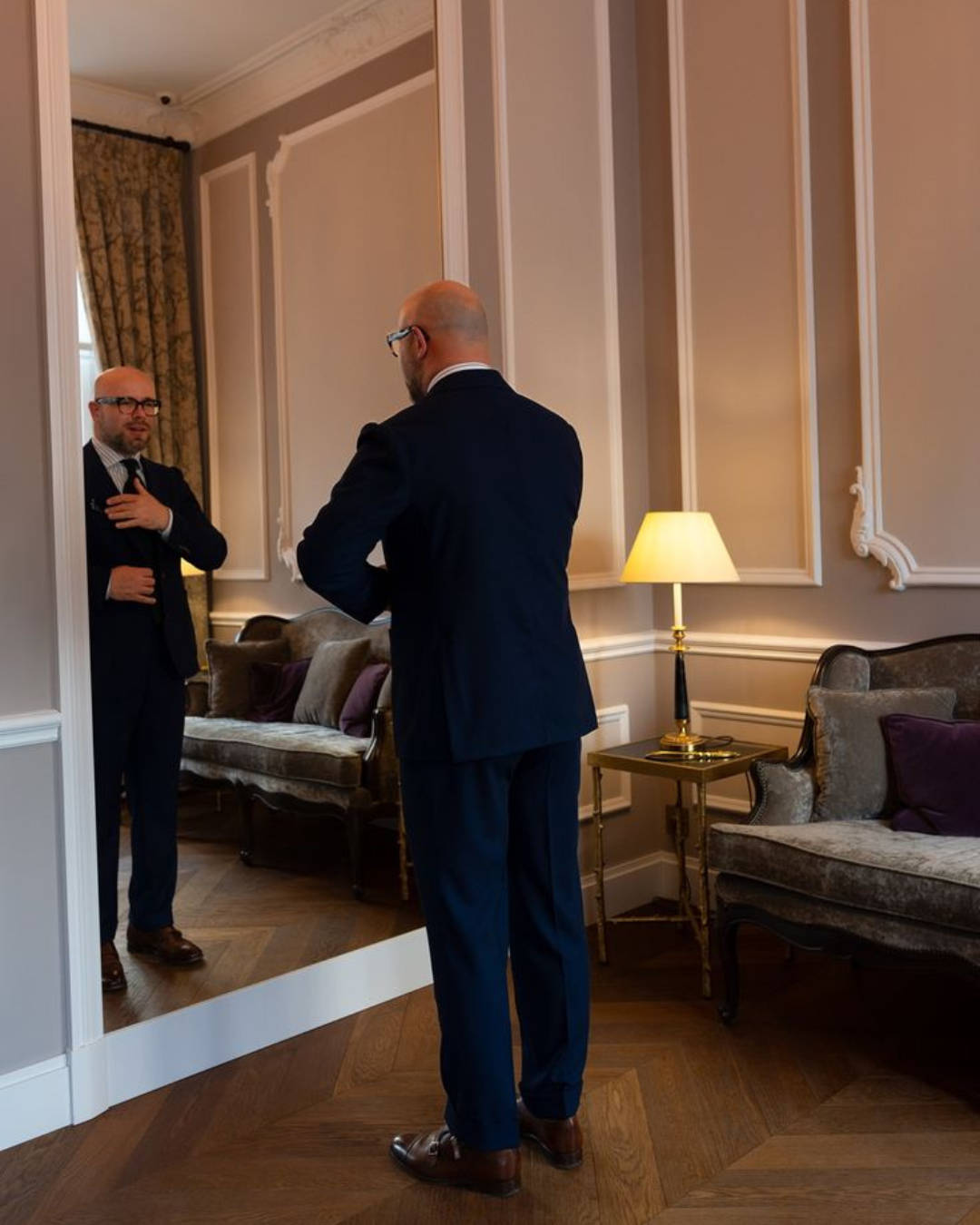
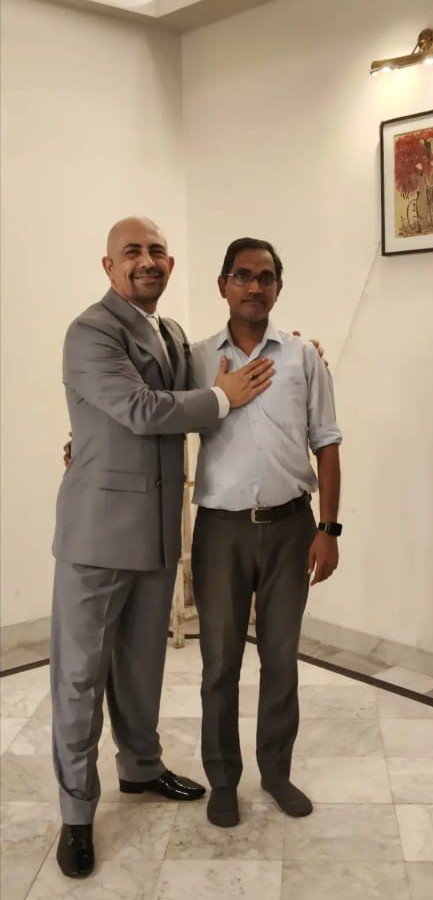
A jacket pulling around the button, trousers collapsing over your shoes or sleeves covering your shirt cuffs may appear minor individually. Together, they can undermine the clean, confident silhouette a suit is supposed to create.
For CEOs, founders, entrepreneurs, professionals and grooms, getting the fit right is particularly important because clothing becomes part of the impression you create. Understanding when to alter a suit, recognising common suit fitting problems, and applying the right suit alteration tips can transform an existing garment without necessarily replacing it.
At Satkar Tailors, alterations are approached through proportion, garment construction and the wearer’s body rather than simply making everything tighter.
Email: satkartailorsondoor@gmail.com
Website: https://satkartailorsondoor.com/
Phone: +91 8097157470
Address : https://share.google/bTDw94odeJOvPTaHA
Why Suit Fit Matters Before an Important Event
Your suit does not need to be loud to command attention.
When the shoulders sit correctly, the jacket follows the torso and the trousers fall cleanly, the overall impression is controlled and sophisticated. People may never identify the technical reason the suit looks good, but they notice the result.
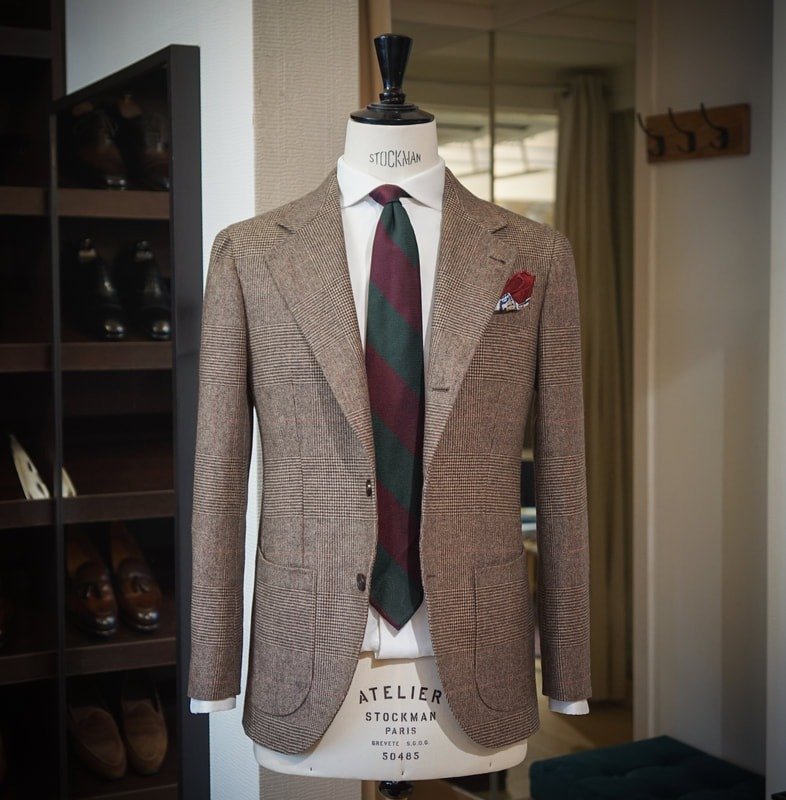
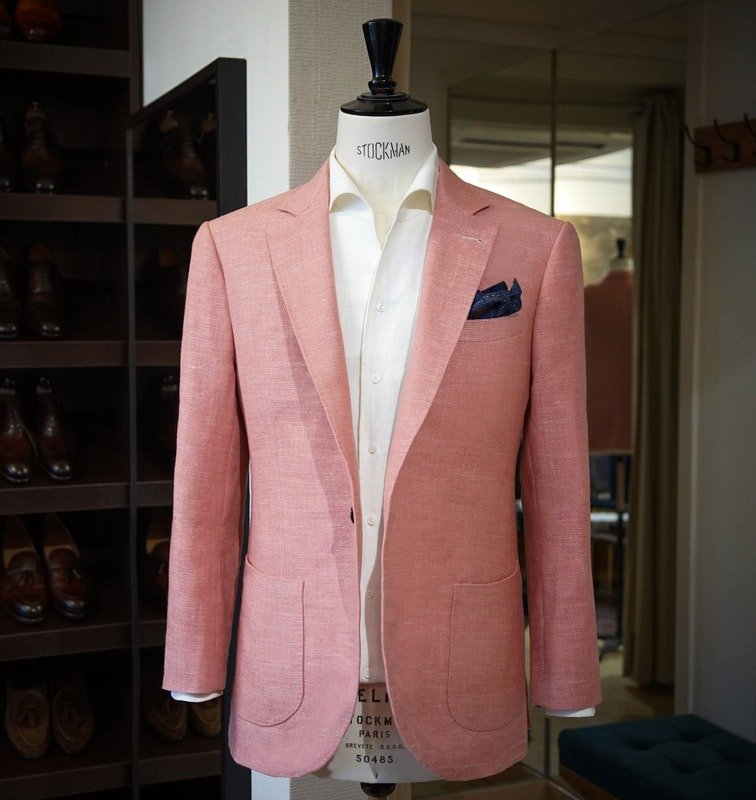
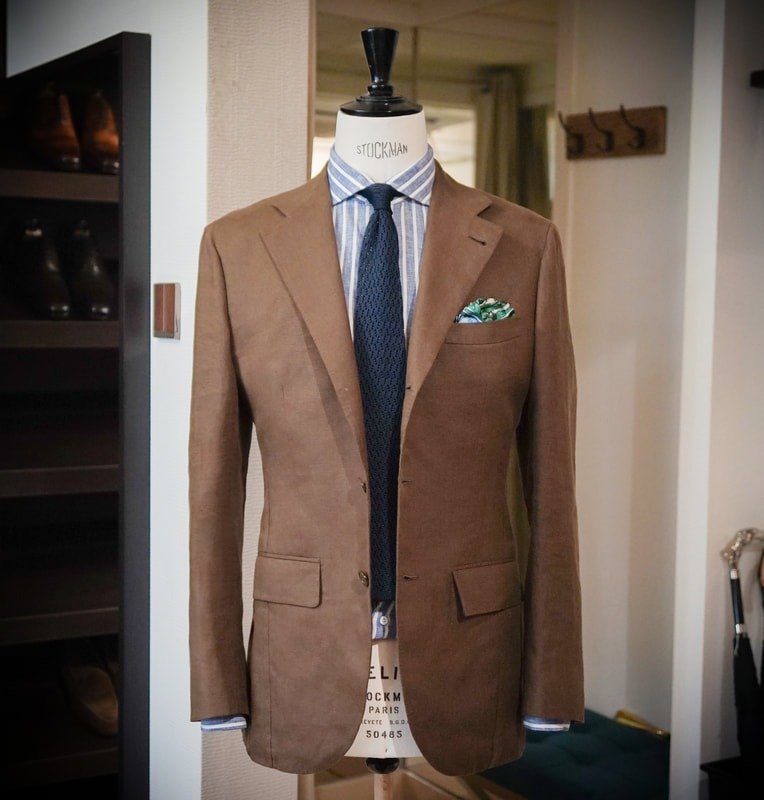
Poor fit has the opposite effect.
Even a beautifully constructed suit made from premium cloth can appear ordinary when the sleeves are too long, the jacket collar separates from the shirt or excess trouser fabric gathers around the ankles.
Important events make these problems even more visible.
Professional photography can capture your outfit from angles you rarely examine in a mirror. Weddings require hours of standing, sitting and movement. Business events place you in close conversation with clients and decision-makers.
Alterations are therefore not merely cosmetic.
They are about ensuring the garment works with your body when your appearance matters most.
15 Signs Your Suit Needs Alterations
1. The Jacket Shoulders Extend Beyond Your Natural Shoulders
Start with the shoulders because they establish the architecture of the jacket.
The end of the jacket shoulder should sit close to the end of your natural shoulder before transitioning cleanly into the sleeve.
When the shoulder extends significantly beyond your body, the jacket can appear oversized. You may also notice the sleeve head collapsing or developing an indentation.
A jacket that is too narrow creates a different problem. The upper body may appear compressed, and pulling can develop around the shoulder and upper arm.
Shoulder alterations are among the more technically involved suit adjustments, so this is an area that should be evaluated carefully before purchasing a ready-made suit.
If the shoulders are fundamentally incompatible with your body, extensive alteration may not always be economically sensible.
2. Your Jacket Collar Does Not Sit Against Your Shirt
One of the less obvious signs your suit needs alterations is a visible space between the shirt collar and jacket collar.
This is commonly called collar gap.
A properly balanced jacket should sit neatly around the neck when you are standing naturally.
Collar problems can be related to the garment’s balance, your posture or the way the jacket has been constructed. Simply pulling the jacket upward before looking in the mirror does not solve the underlying issue.
Ask someone to photograph you from behind.
Problems around the collar and upper back often become much easier to identify from that angle.
3. The Jacket Pulls Around the Button
Fasten your jacket and look at the area around the button.
If strong diagonal tension lines appear from the fastening point, the jacket may be too tight through the waist, chest or both.
A tailored jacket should create definition without looking strained.
This distinction is particularly important because many men confuse tightness with good tailoring.
They are not the same.
A clean fitted silhouette follows the body. An excessively tight silhouette fights against it.
4. Your Jacket Looks Boxy Around the Waist
The opposite problem is equally common.
If your shoulders and chest fit reasonably well but the jacket falls almost vertically from the chest to the hips, you may have excess room through the waist.
This can make even an athletic physique look shapeless.
Carefully suppressing the waist can create a stronger silhouette, but the alteration should remain proportional to the chest, hips and overall jacket design.
Aggressively narrowing every jacket is not a sophisticated tailoring strategy.
The objective is balance.
5. Your Suit Sleeves Cover Your Shirt Cuffs
Sleeve length is one of the easiest fitting problems to notice.
When standing naturally with your arms relaxed, a small amount of shirt cuff will traditionally remain visible below the jacket sleeve.
Around a quarter to half an inch is a common guideline, although personal preference and proportions matter.
If your jacket sleeves completely cover the shirt cuffs and extend too far onto the hand, shortening may improve the appearance considerably.
But there is another detail worth checking.
Some jackets have functional sleeve buttonholes. Depending on their construction, substantial shortening from the cuff may be more complicated. A tailor may need to evaluate whether the adjustment should be made elsewhere.
This is why apparently simple alterations sometimes require technical judgement.
6. One Sleeve Looks Different From the Other
Human bodies are not perfectly symmetrical.
One arm may sit differently. One shoulder may be lower. Your posture may cause a jacket to hang differently on each side.
If one sleeve appears correct while the other develops twisting or unusual folds, simply making both sleeves the same measured length may not solve the problem.
Sleeve pitch and shoulder balance can influence how the fabric falls.
Bespoke tailoring can account for these characteristics from the pattern stage, while alterations attempt to improve an already constructed garment.
This distinction is one reason clients seeking a garment developed around their individual proportions may consider a bespoke suit from Satkar Tailors.
7. Your Jacket Is Too Long or Too Short
Jacket length dramatically changes the proportions of your body.
An excessively short jacket can make the torso look truncated and expose too much of the seat. An overly long jacket can visually shorten the legs.
Contemporary fashion has sometimes pushed jackets shorter, but trend and correct proportion are not always identical.
Traditional tailoring generally aims for sufficient coverage of the seat while maintaining visual balance between torso and legs.
Height alone does not determine the ideal length.
Two men of identical height can have very different torso-to-leg proportions.
8. The Back of Your Jacket Has Excessive Wrinkles
Turn around.
Many men judge a suit exclusively from the front even though other people see it from every direction.
Horizontal, vertical or diagonal wrinkles across the back can indicate different suit fitting problems.
Some creasing is completely normal because clothing needs sufficient ease for movement. The objective is not to create a perfectly flat piece of fabric stretched across the body.
Persistent and pronounced wrinkles, however, can suggest issues involving balance, excess fabric, tightness or posture.
A competent tailor should diagnose the cause before deciding what to alter.
9. Your Trousers Need a Belt Just to Stay Up
A belt can complement a suit.
It should not necessarily be responsible for rescuing trousers that are several centimetres too large.
Suit trousers should sit securely at their intended position without excessive tightening of the belt.
When the waistband is too loose, the trousers can drop lower than intended. This changes the crotch position, trouser break and entire lower-body silhouette.
Taking in the waistband can often improve the fit considerably when sufficient alteration is practical.
10. Your Trousers Pull Across the Seat
Look at the trousers from behind and from the side.
If the fabric is visibly strained across the seat or produces strong tension lines, the trousers may be too tight.
Comfort provides another clue.
You should be able to sit, walk and move naturally without feeling as though the seams are under excessive stress.
A perfectly tailored trouser should create a clean seat while preserving enough functional ease for real life.
For a groom spending many hours in his wedding suit, this becomes especially important.
11. Your Trousers Look Baggy Through the Thighs
Excessive fabric around the thighs can make trousers look dated or incorrectly sized.
Tapering can often create a cleaner silhouette, but there is a limit.
The thigh still requires enough room for sitting, walking and normal movement. Narrowing trousers simply because slim silhouettes are fashionable can produce another fitting problem instead of solving the original one.
The ideal trouser line should complement your body and jacket.
12. Your Trousers Pool Around Your Shoes
One of the most common signs your suit needs alterations appears at the bottom of the trousers.
If multiple folds of fabric collapse around your shoes, the trousers are likely too long for the intended style.
Trouser break refers to the fold created where the trouser meets the shoe.
A minimal break produces a clean contemporary silhouette. A slightly fuller break can create a more traditional appearance.
Neither is inherently superior.
What usually looks untidy is excessive pooling.
Hemming trousers to the correct length is one of the simplest alterations capable of making a substantial visual difference.
13. The Trouser Hem Floats Too High Above Your Shoes
Trousers can also be too short.
A deliberately cropped trouser can work in certain fashion contexts, but a formal business or wedding suit usually requires more careful coordination with the shoe and sock.
If significant sock is visible while you are simply standing still, the trouser may be shorter than intended.
Before altering, wear the shoes you plan to use with the suit.
Different footwear can subtly change how trouser length appears.
This is one of the most useful practical suit alteration tips before an important event.
14. Your Waistcoat Pulls or Gapes
For a three-piece suit, the waistcoat deserves the same attention as the jacket and trousers.
It should sit relatively close to the torso without creating strong horizontal pulling.
At the same time, it should not hang loosely away from the body.
Length matters as well. The waistcoat should provide appropriate coverage so the shirt does not appear unexpectedly between the waistcoat and trouser waistband when standing naturally.
This becomes particularly important with wedding suits, where the jacket may be removed during parts of the celebration.
Satkar Tailors creates custom wedding suits and groom tailoring where the jacket, waistcoat and trousers can be considered as one coordinated silhouette.
15. You Look Better With the Jacket Open Than Buttoned
This is an extremely useful final test.
A suit jacket is designed to create its intended silhouette when correctly fastened.
If the garment looks reasonably good open but immediately develops pulling, distortion or awkward proportions when buttoned, something about the fit deserves attention.
For a conventional two-button single-breasted jacket, fasten the upper button while standing and leave the lower button undone.
Then look at yourself naturally.
Do not suck in your stomach.
Do not artificially straighten your shoulders.
Your tailor needs to evaluate your real body and posture, not the position you can hold for twenty seconds in front of a mirror.
When to Alter a Suit Instead of Replacing It
Knowing when to alter a suit can save both money and a garment worth keeping.
If the shoulders already fit well and the jacket simply needs adjustments through areas such as the waist or sleeves, alteration can often make a substantial difference.
Trousers are also commonly adjusted through the waist, length and leg shape, subject to the garment’s available seam allowance and construction.
The decision becomes more complicated when fundamental structural areas are significantly wrong.
If the jacket shoulders are dramatically oversized, the garment is several sizes too small or the proportions cannot be corrected without effectively reconstructing the suit, replacement or custom tailoring may be more sensible.
A skilled tailor should be willing to tell you when an alteration is not worth doing.
Suit Alteration vs Buying a New Suit
| Situation | Alteration May Work | New/Bespoke Suit May Be Better |
| Sleeves slightly too long | Yes | Usually unnecessary |
| Trouser hem too long | Yes | Usually unnecessary |
| Waist slightly loose | Often | Usually unnecessary |
| Trouser leg too wide | Often | Depends on construction |
| Jacket waist too loose | Often | Depends on proportions |
| Minor collar issue | Possibly | Depends on cause |
| Shoulders significantly oversized | Complex | Often worth considering |
| Jacket dramatically too small | Limited | Often better |
| Major posture imbalance | Limited by existing pattern | Bespoke may offer more control |
| Entire suit is wrong size | Rarely economical | Usually better |
The price you originally paid for a garment should not determine whether you keep altering it.
The important question is whether the existing architecture gives the tailor enough to work with.
Suit Alteration Tips Before a Wedding
Wedding tailoring requires more planning than ordinary alterations.
Do not wait until the night before the ceremony to put on your complete outfit.
Try everything together.
Wear your actual shirt, shoes and accessories. If you are wearing a waistcoat, include it. Move around, sit down and take photographs from the front, side and back.
Wedding photographs make proportion problems surprisingly visible.
Your weight can also fluctuate in the weeks surrounding a wedding. This is why the timing of the final fitting should provide enough room for refinement without being unnecessarily early.
Most importantly, comfort should not be sacrificed for an aggressively tight silhouette.
Your wedding suit needs to perform for hours.
Suit Alteration Tips Before a Business Event
Business suits require a slightly different mindset.
The objective is authority rather than theatricality.
Pay particular attention to the shoulders, collar, sleeve length and trouser break. These areas strongly influence whether the garment looks intentional.
Sit in the suit before approving the fit.
If you cannot comfortably sit through a long meeting, the jacket or trousers may have been narrowed excessively.
Also check the suit under normal office lighting rather than judging it exclusively in a tailoring studio.
For executives and founders, understated precision generally creates a stronger impression than obvious fashion experimentation.
Why Full Canvas, Half Canvas and Fused Suits Require Different Alteration Expertise
Not every suit is constructed in the same way.
Full Canvas
A full-canvas jacket contains a traditional internal canvas structure through much of the jacket front. Alterations need to respect how this structure interacts with the outer cloth and the jacket’s shape.
Half Canvas
Half-canvas jackets use canvassing primarily through the upper portion of the garment. They can combine structure with practicality and also require an understanding of the internal construction during more involved alterations.
Fused
Fused jackets rely on adhesive interlining for structure.
They can still be altered, but their internal construction behaves differently from traditional canvassed garments.
This is why an alteration specialist should understand what is inside the jacket rather than simply working on the visible outer fabric.
Hand Stitching and Structural Alterations
Basic hemming is very different from reconstructing a premium suit jacket.
More advanced alterations may involve opening linings, repositioning components, reshaping seams and restoring hand-finished details after the adjustment.
Working on a high-quality bespoke or handmade suit therefore requires more than operating a sewing machine.
The tailor needs to understand garment architecture.
A poorly executed alteration can technically make a garment smaller while simultaneously damaging its balance.
Good alteration work should appear almost invisible when completed.
The Satkar Tailors Approach to Suit Fit
At Satkar Tailors, the starting point is not “How much fabric can we remove?”
It is “Why is the garment sitting incorrectly?”
That distinction matters.
An alteration should correct the cause of a fitting problem rather than automatically making every area slimmer.
With years of tailoring expertise, Satkar Tailors works around measurements, posture, garment proportions and construction to create a cleaner silhouette while preserving comfort.
The broader tailoring portfolio includes full bespoke suits, semi-bespoke suits, handmade suits, made-to-measure, custom suits, full canvas, half canvas and fused suits, blazers, sport coats, tuxedos, wedding suits, Jodhpuri suits and custom shirts.
The Satkar Tailors Doorstep Process
Step 1: Book
Arrange your consultation through Satkar Tailors according to availability.
Step 2: Visit
A tailor can meet you at your home or preferred serviceable location, making fittings significantly more convenient for busy professionals and wedding clients.
Step 3: Design and Diagnose
For a new garment, styling and construction are discussed.
For alterations, the existing garment is examined to identify what is causing the fitting problem and whether the proposed adjustment is technically worthwhile.
Step 4: Measure
Measurements are combined with observations of posture, shoulder balance and garment behaviour.
The objective is not simply to record numbers but to understand how the garment interacts with the wearer.
Step 5: Deliver
Once the tailoring work is completed, the garment is checked for fit and finishing before final delivery or further refinement where required.
Why Busy Professionals Choose Doorstep Tailoring
A CEO preparing for an investor meeting may not have time for repeated trips to a tailoring store.
A groom already managing wedding preparations may face the same problem.
Doorstep tailoring changes the experience.
Instead of fitting your schedule around the tailor, the consultation can be arranged around your availability in serviceable locations.
This combination of convenience and individual attention is central to Satkar Tailors’ doorstep tailoring service.
The 24-Hour Suit Check Before Your Event
Even after alterations have been completed, perform one final inspection before the event.
Put on the complete outfit exactly as you intend to wear it.
Button the jacket. Check the shoulders and collar. Look at your sleeves. Examine the trouser break with your event shoes.
Sit down for several minutes.
Walk around.
Raise your arms naturally.
Then take photographs from the front, side and back.
If the garment looks balanced from all three angles and remains comfortable while moving, you are in a much stronger position than someone who judged the suit for thirty seconds while standing in front of a mirror.
Book Your Suit Alteration Consultation With Satkar Tailors
Recognising the signs your suit needs alterations early gives your tailor enough time to correct problems properly rather than rushing immediately before an important event.
If your jacket pulls, your sleeves are too long, your trousers pool over your shoes or the entire silhouette simply does not feel right, have the garment professionally assessed.
Not every issue requires a new suit.
Not every suit is worth extensively altering either.
The right decision depends on construction, available fabric, proportions and the severity of the fitting problem.
Satkar Tailors combines tailoring expertise with doorstep convenience for professionals, entrepreneurs, grooms and discerning clients who want their clothing to look intentional when the occasion matters.
Email: satkartailorsondoor@gmail.com
Website: https://satkartailorsondoor.com/
Phone: +91 8097157470
Address : https://share.google/bTDw94odeJOvPTaHA
Do not wait for event photographs to reveal that your suit did not fit.
Fix the details before they become the details everyone notices.
Frequently Asked Questions
What are the most obvious signs your suit needs alterations?
Common signs include shoulders that overhang, collar gap, pulling around the jacket button, excessively long sleeves, a boxy waist, loose trousers, pulling across the seat and excessive trouser break.
When should I alter a suit before an important event?
Have the suit assessed well before the event rather than relying on a last-minute fitting. The time required depends on the number and complexity of alterations, so confirm the turnaround directly with your tailor.
How do I know if my suit jacket is too tight?
Strong pulling around the fastening point, distorted lapels, restricted movement and obvious tension across the chest or waist can indicate that the jacket is too tight.
Can a suit that is too big be altered?
Many oversized areas can be reduced, including the jacket waist, trouser waist, trouser length and sometimes sleeve length. Major shoulder or structural changes are considerably more complex.
Can a suit that is too small be made bigger?
Sometimes. The answer depends on how much fabric allowance exists inside the seams and which part of the garment is too small. A tailor needs to inspect the garment.
What are the most common suit fitting problems?
Common suit fitting problems include incorrect shoulders, collar gap, jacket pulling, excessive waist room, wrong sleeve length, trouser waist problems, poor seat fit and incorrect trouser length.
How should suit trousers fit?
Suit trousers should sit securely at their intended waist, provide comfortable room through the seat and thighs, and fall cleanly toward the shoes without excessive pooling.
How much shirt cuff should show under a suit jacket?
Approximately a quarter to half an inch is a commonly used guideline, although individual proportions and style preferences can influence the exact amount.
Is it worth altering an expensive suit?
It can be, particularly when the garment’s fundamental structure fits reasonably well. However, extensive structural reconstruction may not always be economical. A skilled tailor should assess the suit before work begins.
Does Satkar Tailors offer doorstep suit fittings?
Satkar Tailors provides a doorstep-focused tailoring experience in serviceable locations. Contact the team with your location and alteration requirements to confirm availability.