
Buying a suit should be simple, yet terms such as bespoke, made-to-measure, custom and ready-to-wear are often used so loosely that many gentlemen are unsure what they are actually purchasing. Understanding bespoke vs made to measure becomes especially important when you are investing in a suit for business, a wedding, an important event or a long-term professional wardrobe.
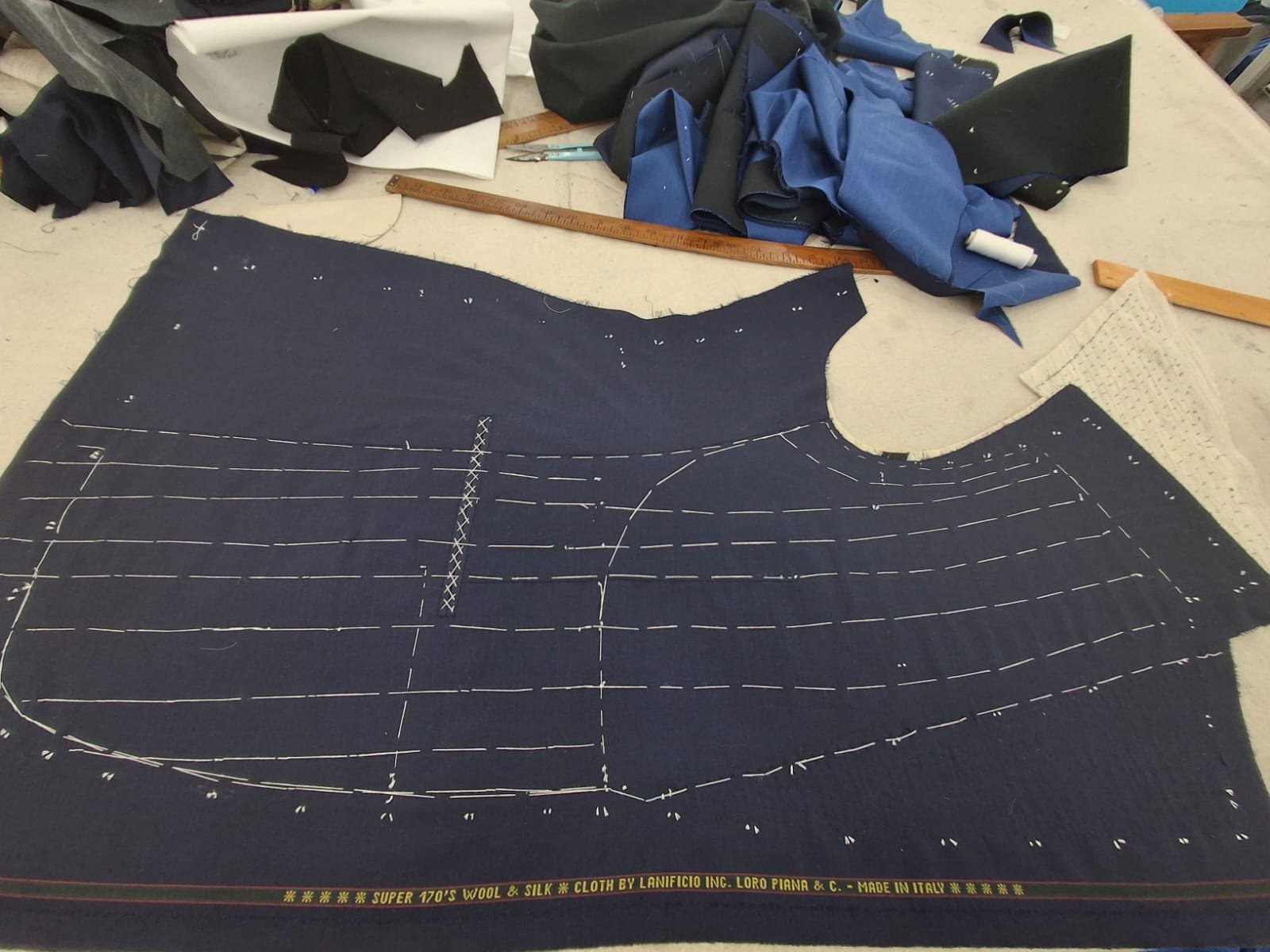
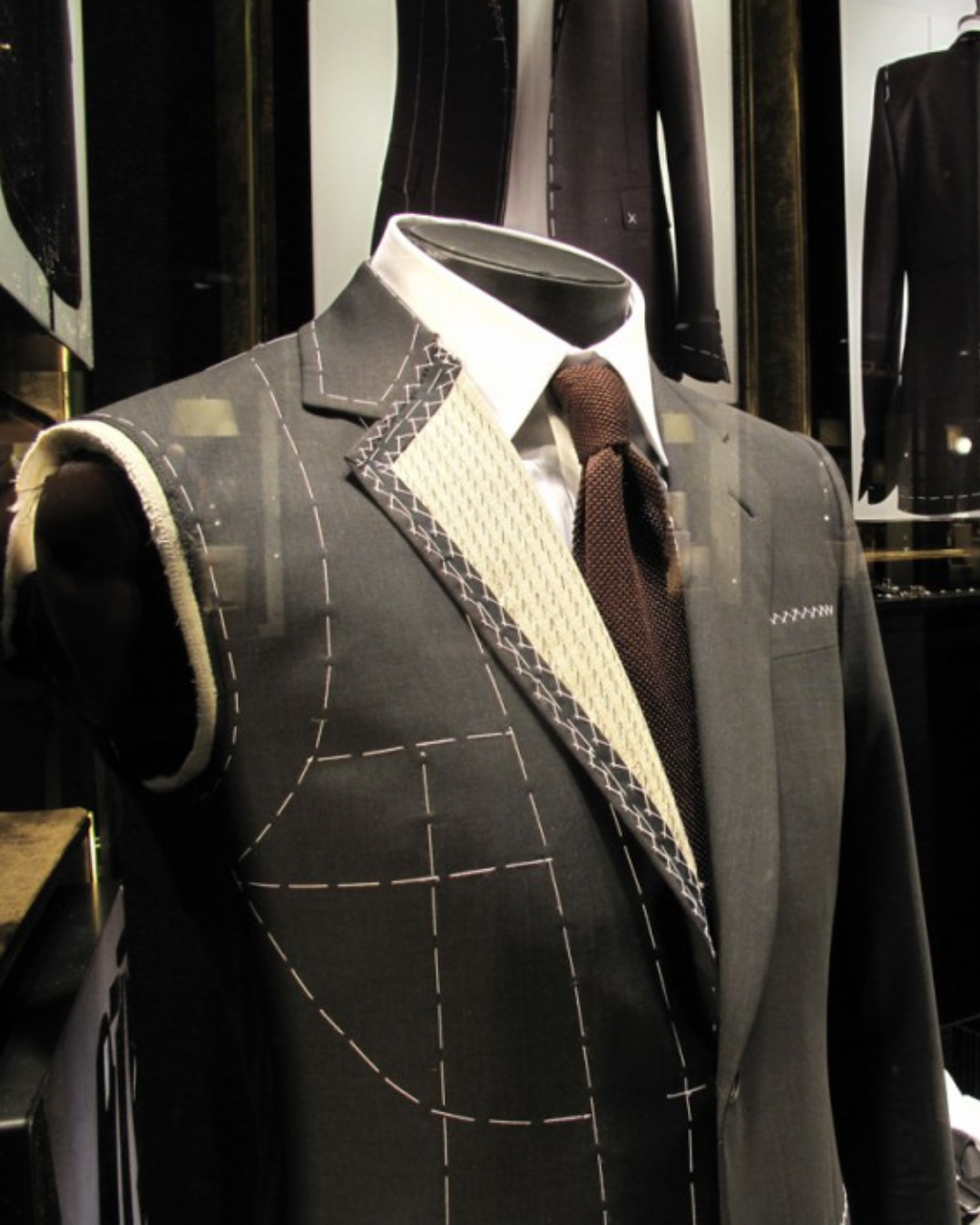
The fundamental difference is not simply price. It is how the garment begins, how much the pattern can be personalised, how the tailor accommodates your posture and proportions, and how much control you have over construction and design.
For CEOs, founders, entrepreneurs, senior professionals, grooms and gentlemen who take their wardrobes seriously, choosing the correct category can make the difference between a suit that merely fits and one that genuinely belongs to you.
At Satkar Tailors, clients can explore different levels of custom tailoring according to their requirements, including bespoke, semi-bespoke and made-to-measure garments.
Email: satkartailorsondoor@gmail.com
Website: https://satkartailorsondoor.com/
Phone: +91 8097157470
Address : https://share.google/bTDw94odeJOvPTaHA
Why the Bespoke vs Made to Measure Decision Matters
A suit influences how your body is perceived.
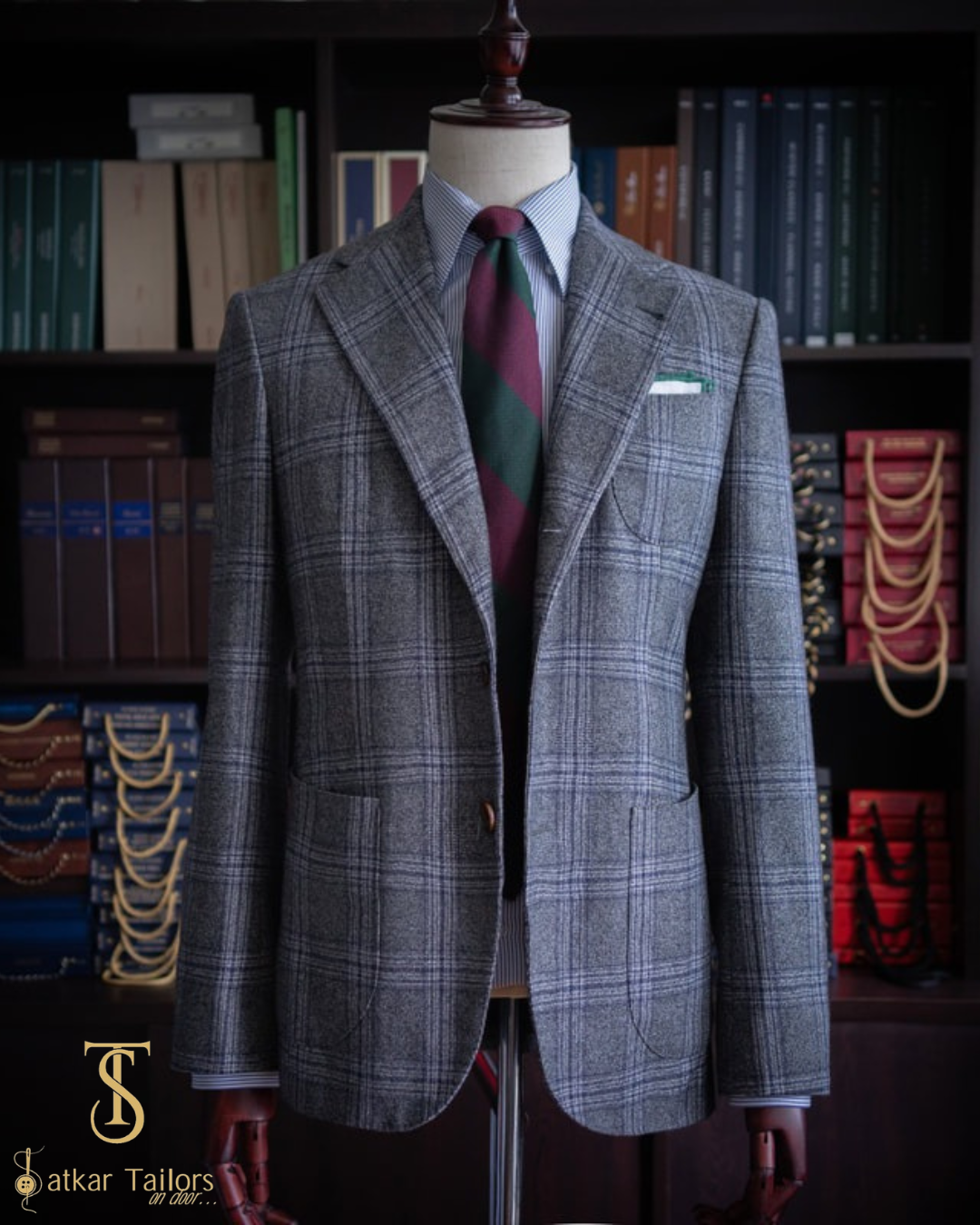
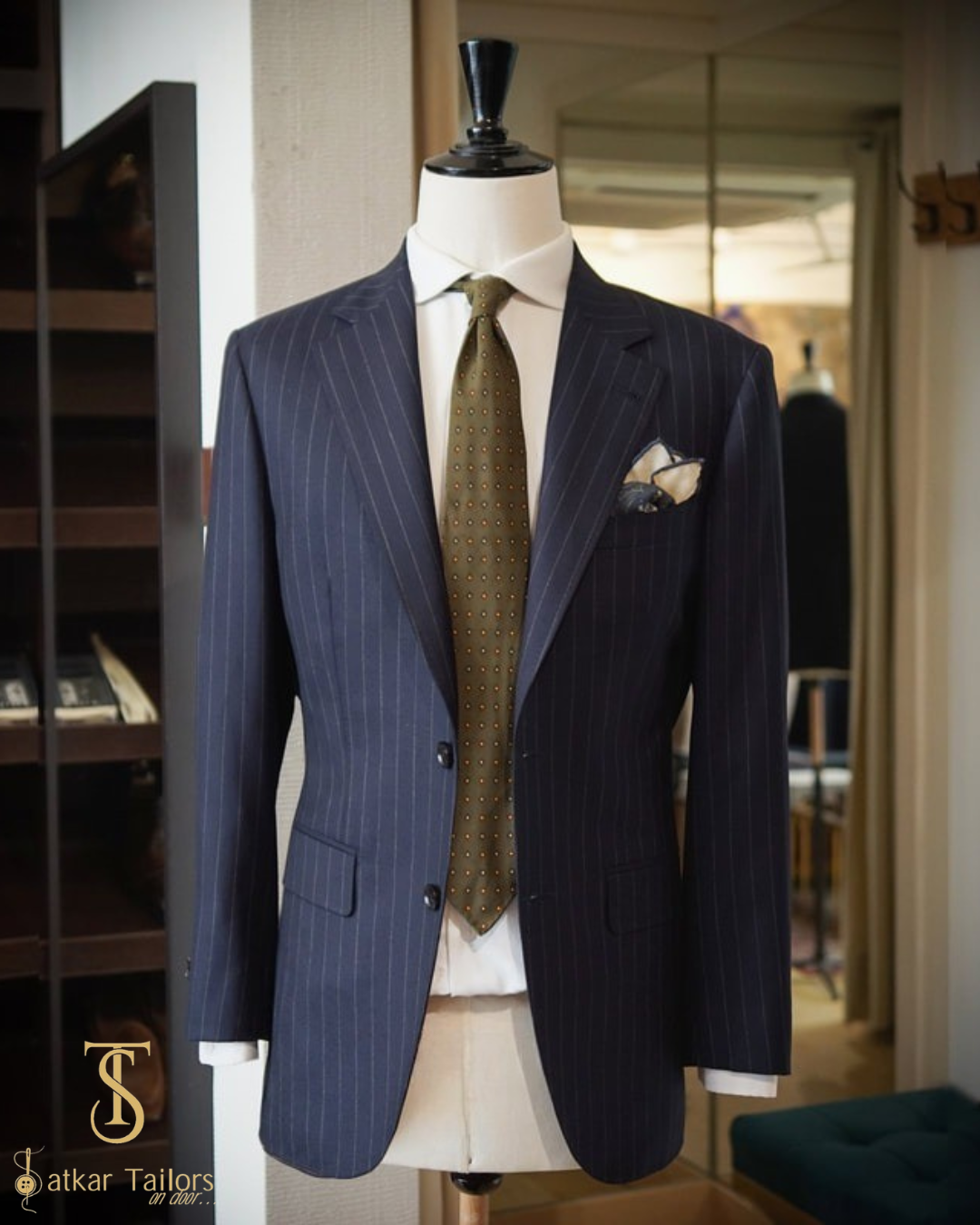
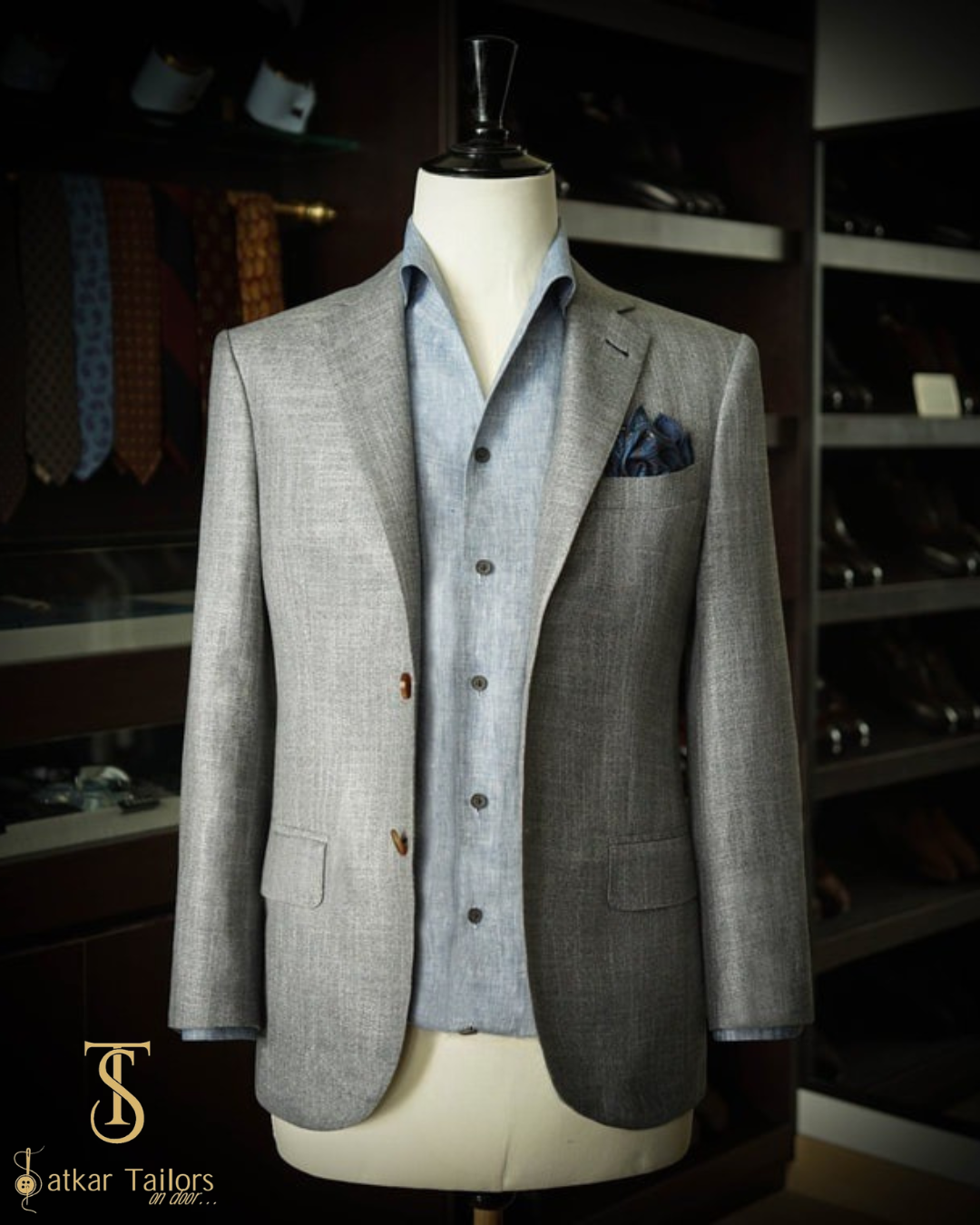
Correct shoulder width can make the upper body appear more balanced. Appropriate waist suppression creates definition without tightness. Proper jacket length improves the relationship between your torso and legs. Clean trousers complete the silhouette.
Ready-to-wear, made-to-measure and bespoke tailoring approach these challenges differently.
The right option therefore depends on your body, expectations, budget, time available and how important the garment is to your wardrobe.
A gentleman who needs an occasional office suit may make a different decision from a CEO commissioning his primary business wardrobe. A groom preparing for his wedding may prioritise fit and personalisation differently from someone purchasing an emergency suit for an event next week.
Understanding those differences is the foundation of a sensible custom suit guide.
What Is a Ready-to-Wear Suit?
Ready-to-wear, sometimes called off-the-rack, refers to garments produced in predetermined sizes and sold as finished products.
You choose the size that comes closest to your body.
A manufacturer may offer sizes such as 38, 40, 42 and 44 with different length options. Each garment is produced according to the brand’s standard block and intended proportions.
For someone whose body happens to correspond closely with that block, ready-to-wear can look very good after minor alterations.
The major advantage is convenience.
You can walk into a store, try on several options and potentially leave with a suit the same day.
The limitation is equally straightforward. The suit was not designed around you.
When Does Ready-to-Wear Make Sense?
Ready-to-wear can be perfectly appropriate when time is limited, the garment will only be worn occasionally, your proportions correspond closely to standard sizing or you do not require extensive personalisation.
It can also be an entry point for someone building his first professional wardrobe.
However, alterations should be expected in many cases. Sleeve length, trouser length and jacket waist are common areas requiring refinement.
If the shoulders or fundamental jacket proportions are significantly wrong, alterations become more complicated.
What Is a Made-to-Measure Suit?
Made-to-measure sits between ready-to-wear and traditional bespoke tailoring.
Instead of simply selecting a finished garment, the tailor or brand generally begins with an existing base pattern. Your measurements are then used to modify that pattern before your garment is produced.
This provides substantially greater personalisation than buying a standard size.
For many professionals, made-to-measure offers an attractive balance between fit, choice, turnaround and investment.
Depending on the tailoring house, you may be able to select fabric, lapels, pockets, buttons, lining, vents and other design details.
The important distinction in the bespoke vs made to measure conversation is the starting point.
Made-to-measure usually adapts a predetermined pattern.
Traditional bespoke tailoring goes further.
What Is a Bespoke Suit?
A true bespoke suit begins with the individual wearer.
Rather than simply selecting the nearest standard pattern and modifying it, a bespoke tailor develops a pattern around the client’s measurements, proportions and posture.
This allows significantly greater control over how the garment interacts with the body.
Shoulder slope can be considered. Differences between the left and right sides can be addressed. Jacket balance can respond to posture. Chest shape, waist suppression, sleeve position and trouser balance can all be refined around the individual.
Bespoke tailoring also allows extensive aesthetic control.
Clients considering a bespoke suit from Satkar Tailors can discuss the garment in the context of their body, lifestyle, occasion and preferred silhouette rather than simply selecting a standard size.
The objective is not to create the tightest possible suit.
It is to create the most appropriate suit for the wearer.
Bespoke vs Made to Measure: The Fundamental Difference
The distinction can be summarised through one question:
Where does your suit’s pattern begin?
With made-to-measure, an established pattern or block is generally modified according to the client’s measurements.
With traditional bespoke, an individual pattern is created for the wearer.
That difference provides the bespoke tailor with greater freedom to account for body characteristics that simple measurement adjustments may not fully capture.
Consider two men with exactly the same chest and waist measurements.
One may have square shoulders and an upright posture. The other may have sloping shoulders, a lower right shoulder and a forward posture.
Their numbers can appear similar on paper.
Their bodies are not.
This is where the technical distinction between bespoke vs made to measure becomes important.
Bespoke vs Made-to-Measure vs Ready-to-Wear Comparison
| Feature | Ready-to-Wear | Made-to-Measure | Bespoke |
| Starting Pattern | Standard size | Existing pattern modified | Individual pattern |
| Measurements | Standard sizing | Client measurements | Detailed individual measurements |
| Posture Consideration | Limited | Moderate, depending on system | Extensive potential |
| Asymmetry | Mostly alteration-based | Some adjustment possible | Can be incorporated into pattern |
| Fabric Choice | Predetermined | Broad selection | Extensive selection |
| Styling Choice | Limited | High | Very high |
| Fittings | Usually alterations | Depends on tailoring system | Traditionally more extensive |
| Construction Choice | Predetermined | Often selectable | Highly customisable |
| Exclusivity | Mass produced | Individually ordered | Individually commissioned |
| Convenience | Highest | High | More involved |
| Fit Potential | Good for suitable body types | Very good | Highest individualisation potential |
This bespoke suit comparison does not mean that every bespoke suit is automatically superior to every made-to-measure suit.
Craftsmanship still matters.
An experienced made-to-measure operation can produce an excellent garment. Poor execution does not become exceptional simply because somebody uses the word “bespoke.”
Judge the tailor as carefully as the category.
Ready to Wear vs Bespoke: Is the Difference Really Noticeable?
When both garments are hanging on a rack, the distinction may not always appear dramatic.
Put them on a real body and differences become more apparent.
A ready-to-wear jacket has been designed to accommodate a reasonably broad range of customers within one size. Its shoulders, chest, waist, jacket length and sleeve pitch follow assumptions about the typical wearer.
Bespoke reverses that relationship.
Instead of asking whether your body fits the suit, the tailor asks how the suit should fit your body.
This becomes especially valuable when the wearer has proportions that differ from standard sizing.
A muscular gentleman may require greater chest and shoulder room with a comparatively narrow waist. Another client may have long arms relative to his torso. Someone else may have a significant difference in shoulder height.
These are not flaws.
They are simply individual anatomy, and tailoring should respond accordingly.
Fit: Which Option Wins?
For maximum individualisation, bespoke has the greatest potential.
That does not mean every gentleman requires bespoke tailoring.
A person with proportions very close to the manufacturer’s standard block may look excellent in ready-to-wear after relatively simple alterations.
Made-to-measure expands the possibilities by adjusting a base pattern according to the wearer.
Bespoke becomes particularly compelling when the client expects a garment developed around posture, asymmetry and detailed proportions or simply values the craft of having something individually created.
Fit should therefore be considered as a spectrum rather than a marketing contest.
Fabric Choice and Personalisation
Ready-to-wear presents a finished decision.
The manufacturer has already selected the cloth, lining, buttons, lapel configuration, pockets and construction.
Made-to-measure gives the client considerably greater control. Fabric collections can be explored and design details can generally be personalised.
Bespoke expands that philosophy further.
The client and tailor can consider the entire garment as one project.
A conservative navy business suit may require a different cloth and construction philosophy from a destination wedding jacket. A travel suit may prioritise resilience and wrinkle recovery. A formal evening garment requires another approach.
This is where custom tailoring becomes less about choosing decorative details and more about designing a functional wardrobe.
Full Canvas vs Half Canvas vs Fused Construction
The outer fabric is only part of a suit.
What happens underneath influences structure, drape and character.
Full Canvas
A full-canvas jacket incorporates a canvas structure through much of the jacket front.
Traditional canvassing helps give the garment shape while allowing the structure to interact naturally with the wearer. Full-canvas construction is strongly associated with high-level tailoring, although execution remains critical.
Half Canvas
Half-canvas construction generally uses canvas through the upper part of the jacket.
For many clients, it offers an excellent combination of traditional structure, practicality and value.
Fused Construction
A fused jacket uses adhesive interlining to provide structure.
Fusing allows efficient garment production and is widely used in commercial suits. It behaves differently from floating canvas construction and can be appropriate depending on the client’s requirements and budget.
Satkar Tailors works across full canvas, half canvas and fused suit options so the construction can be considered according to the purpose of the garment.
Handwork: Does It Actually Matter?
Hand stitching should serve a purpose rather than exist purely as a luxury buzzword.
In traditional tailoring, skilled handwork can contribute to shaping, flexibility and finishing. Areas such as lapels, canvas, collars and finishing details may involve hand techniques depending on the garment’s construction.
But visible hand stitching alone does not prove that a suit fits correctly.
A beautifully hand-finished jacket with poor shoulder balance is still poorly fitted.
True tailoring quality comes from the interaction of pattern, cutting, construction, pressing, fitting and finishing.
The best craftsmanship is often the craftsmanship nobody immediately notices.
Which Suit Is Best for CEOs and Business Leaders?
Senior professionals generally need three things from tailoring: consistency, authority and comfort.
A CEO may spend the morning presenting to investors, the afternoon travelling and the evening attending a formal dinner. His suit needs to remain composed throughout that schedule.
For professionals building a serious wardrobe, made-to-measure can provide an effective solution when their proportions work well with the underlying pattern system.
Bespoke becomes especially attractive when fit expectations are exceptionally high, body characteristics require greater pattern control or the client wants a wardrobe developed systematically over time.
The ideal business suit does not need to attract attention through excessive styling.
Precision is usually more powerful.
Which Option Is Best for a Groom?
A wedding is one of the strongest cases for considering custom tailoring.
The groom will be photographed repeatedly, viewed from every angle and wear the garment for many hours.
Fit problems that might go unnoticed during an ordinary office day can become permanent in wedding photographs.
Personalisation also matters more.
Fabric, lapels, waistcoat, buttons, lining, trouser proportions and shirt can be coordinated around the wedding rather than selected independently.
Satkar Tailors offers dedicated wedding suit tailoring for grooms seeking a garment developed around their proportions and celebration.
For a once-in-a-lifetime event, bespoke can make sense for clients who value maximum personalisation. Made-to-measure can also be an excellent solution when the client’s body and requirements suit the system.
What About Tuxedos and Formal Evening Wear?
A tuxedo has its own visual language.
Lapel shape and facing, jacket configuration, trouser detailing, shirt, bow tie and overall proportions need to work together.
Buying ready-to-wear can work when the base garment fits particularly well.
However, clients attending major formal events frequently benefit from made-to-measure or bespoke because evening wear depends heavily on clean lines and disciplined proportions.
This is also an area where unnecessary experimentation can undermine elegance.
Classic formalwear works because its details have evolved together.
Which Option Offers Better Value?
Value and price are not the same thing.
A ready-to-wear suit worn twice for emergency occasions may offer excellent value.
A made-to-measure suit worn weekly by a professional may deliver better long-term value because the garment is developed more closely around his requirements.
For another client, investing in bespoke may be worthwhile because fit, craftsmanship, individualisation and the experience itself matter to him.
Cost per wear is a useful way to think about serious clothing.
A garment worn 100 times and cared for properly can represent better value than a cheaper garment worn five times because you never enjoy wearing it.
The correct question is therefore not:
“Which one is cheapest?”
It is:
“Which level of tailoring makes sense for how I will actually use this suit?”
The Satkar Tailors Bespoke Experience
The tailoring process is designed around convenience while retaining the personal consultation that custom clothing requires.
Step 1: Book
Arrange your consultation with Satkar Tailors according to your schedule.
Step 2: Visit
A tailoring consultation can be arranged at your home, office or another serviceable location.
For founders, professionals and wedding clients with limited time, this removes much of the inconvenience traditionally associated with custom tailoring.
Step 3: Design
Your tailor discusses the purpose of the garment before determining the design.
Fabric, silhouette, lapels, pockets, lining, buttons and construction can then be considered together.
A boardroom suit should not automatically be designed like a wedding suit.
Step 4: Measure
Detailed measurements are combined with observations about body proportions and posture.
This distinction is important.
Measurements provide numbers. Tailoring requires interpreting those numbers and understanding how a three-dimensional body interacts with a garment.
Step 5: Deliver
After tailoring and the required fit process, the completed garment is finished and delivered, with refinement handled where necessary.
Premium Tailoring Services by Satkar Tailors
Satkar Tailors offers:
- Full bespoke suits
- Semi-bespoke suits
- Handmade suits
- Made-to-measure
- Custom suits
- Full canvas suits
- Half canvas suits
- Fused suits
- Blazers
- Sport coats
- Tuxedos
- Wedding suits
- Jodhpuri suits
- Custom shirts
This range allows the tailoring approach to match the client’s wardrobe instead of treating every customer as though he needs exactly the same product.
Common Myths About Bespoke vs Made to Measure
“Made-to-Measure and Bespoke Mean Exactly the Same Thing”
Traditionally, they do not.
Made-to-measure generally modifies an existing pattern, while bespoke involves creating an individual pattern.
The terminology is sometimes used inconsistently in modern marketing, which is why clients should ask how the garment is actually made.
“Bespoke Means the Suit Must Be Extremely Slim”
False.
Bespoke refers to the tailoring process, not a particular silhouette.
A bespoke suit can be structured, relaxed, traditional, contemporary, generous or close-fitting depending on the client and tailor.
“Ready-to-Wear Can Never Look Good”
Also false.
A well-proportioned ready-to-wear suit can look excellent on someone whose body corresponds closely to the manufacturer’s pattern, especially after skilled alterations.
“The Most Expensive Fabric Makes the Best Suit”
Fabric alone cannot rescue poor cutting or fit.
Exceptional tailoring depends on how cloth, pattern, construction and workmanship function together.
The Custom Suit Guide: Which One Should You Choose?
Choose ready-to-wear when speed is your primary concern, your body works well with standard sizing and you require limited personalisation.
Choose made-to-measure when you want a more individual fit, broader fabric and styling choices, and a practical middle ground between ready-made clothing and full bespoke tailoring.
Choose bespoke when you want the greatest degree of individual pattern development, fit refinement, craftsmanship and personalisation.
There is no intellectually honest answer that says every gentleman must buy bespoke.
The right choice depends on the wearer.
What matters is understanding what you are paying for.
Why Discerning Clients Choose Custom Tailoring
Once a gentleman experiences clothing developed around his proportions, his expectations often change.
The improvement is not necessarily dramatic decoration.
It can be as subtle as a cleaner collar, better shoulder balance, a jacket length that complements the legs, controlled waist suppression or trousers that fall correctly.
Those small details accumulate.
For CEOs, entrepreneurs, professionals and HNIs, this precision supports a wardrobe that feels consistent with the way they conduct themselves professionally.
For grooms, it creates clothing worthy of an occasion that will be photographed and remembered for decades.
That is the real appeal of custom tailoring.
Book Your Suit Consultation With Satkar Tailors
The debate around bespoke vs made to measure should ultimately lead to one decision: which tailoring process is appropriate for you?
If you need convenience and standard sizing works exceptionally well, ready-to-wear may be enough.
If you want greater control over measurements and personalisation, made-to-measure can be an excellent step forward.
If you want a garment developed around your individual body, posture, proportions and preferences, bespoke represents the highest level of personalisation.
Satkar Tailors combines years of tailoring expertise with detailed measurement, craftsmanship and doorstep convenience for clients who expect their wardrobes to reflect the same standards they apply elsewhere in their lives.
Email: satkartailorsondoor@gmail.com
Website: https://satkartailorsondoor.com/
Phone: +91 8097157470
Address : https://share.google/bTDw94odeJOvPTaHA
Do not choose bespoke because the word sounds luxurious.
Choose it when the craftsmanship, individualisation and fit justify it for your wardrobe.
Frequently Asked Questions
What is the main difference between bespoke vs made to measure?
Made-to-measure generally begins with an existing base pattern that is modified according to the client’s measurements. Traditional bespoke tailoring creates an individual pattern for the wearer and can provide greater control over posture, proportions and asymmetry.
Is bespoke better than made-to-measure?
Bespoke offers greater potential for individualisation, but that does not mean every client needs it. A high-quality made-to-measure suit can be an excellent choice when the underlying pattern suits the wearer’s body and requirements.
What is the difference between ready to wear vs bespoke?
Ready-to-wear suits are manufactured in predetermined sizes before the customer purchases them. Bespoke suits are individually commissioned and developed around the wearer’s measurements and proportions.
Is made-to-measure the same as a custom suit?
“Custom suit” is a broad marketing term and can refer to different production methods. Ask the tailor whether the garment uses an adjusted standard pattern or an individually drafted bespoke pattern.
Is a bespoke suit worth it?
It can be for clients who value individual pattern development, craftsmanship, fit refinement and extensive personalisation. Whether it represents good value depends on how frequently the garment will be worn and what the client expects from tailoring.
Which is best for a wedding: bespoke or made-to-measure?
Both can work well. Bespoke offers maximum individualisation, while made-to-measure can provide an excellent personalised fit when the system suits the groom’s body. The decision should consider budget, timeline, desired construction and fit expectations.
Can ready-to-wear suits be altered?
Yes. Common alterations include trouser hemming, waist adjustments, sleeve shortening and jacket waist suppression. Major structural changes such as substantially altering shoulders are more complicated.
What is a full-canvas bespoke suit?
A full-canvas suit uses an internal canvas structure through much of the jacket front rather than relying entirely on fused adhesive interlining. It is traditionally associated with high-level tailoring and contributes to the jacket’s structure and drape.
Does bespoke mean handmade?
Not necessarily. Bespoke describes the individualised tailoring process and pattern approach. The amount of handwork varies between tailoring houses, so clients should ask specifically about construction.
How can I book a bespoke or made-to-measure suit with Satkar Tailors?
Email: satkartailorsondoor@gmail.com
Website: https://satkartailorsondoor.com/
Phone: +91 8097157470
Address : https://share.google/bTDw94odeJOvPTaHA
or
use the Satkar Tailors contact page to discuss your requirements and appointment availability.